Introduction
In today's fast-paced workplace, safety is extremely important. Organizations are significantly identifying the importance of producing a safe area for employees. One of the most important components of office safety training is initial help and CPR (Cardiopulmonary Resuscitation) courses. These courses not just encourage staff members with important life-saving abilities yet also foster a society of safety within the company. In this short article, we will delve into the myriad reasons why office security training must include emergency treatment and mouth-to-mouth resuscitation training courses, highlighting their significance in enhancing office safety.
Why Work environment Security Training Need To Include First Aid and Mouth-to-mouth Resuscitation Courses
The combination of first aid and CPR training courses into workplace security training has far-reaching benefits. They furnish staff members with the expertise and skills needed to react efficiently to clinical emergency situations, reduce recuperation time for injured individuals, and possibly conserve lives. Additionally, having educated workers on-site can instill self-confidence amongst staff members and reassure them that their well-being is prioritized.
Understanding First Aid
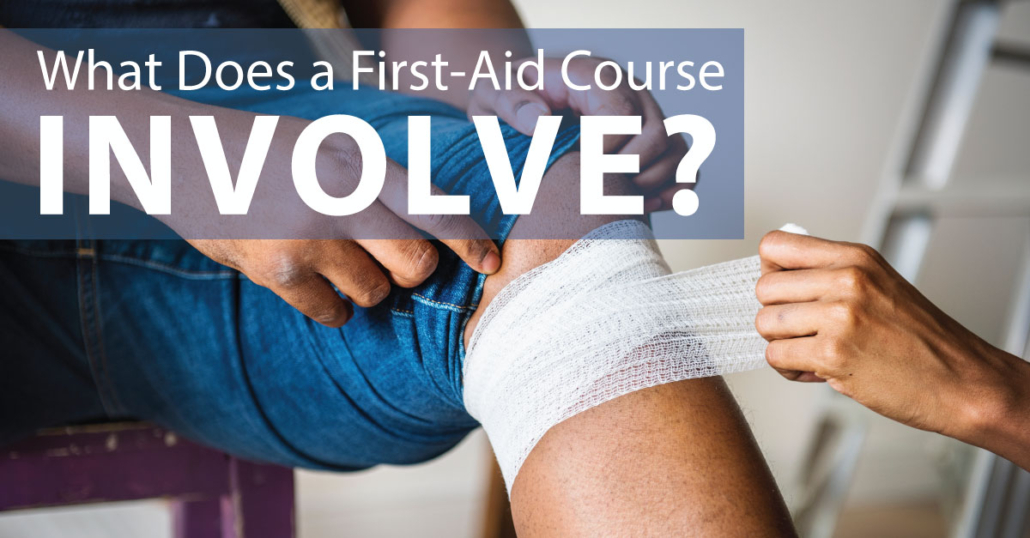
First aid describes the immediate treatment offered to a specific suffering from a small or serious disease or injury up until specialist medical assistance gets here. Comprehending basic first aid principles can make a considerable difference in emergency situations.
Key Components of First Aid
Assessment: The ability to assess a circumstance swiftly can aid establish the appropriate actions needed. Stabilization: Understanding just how to stabilize a wounded individual stops additional harm. Communication: Effectively connecting with emergency situation services is essential for timely assistance.The Significance of CPR
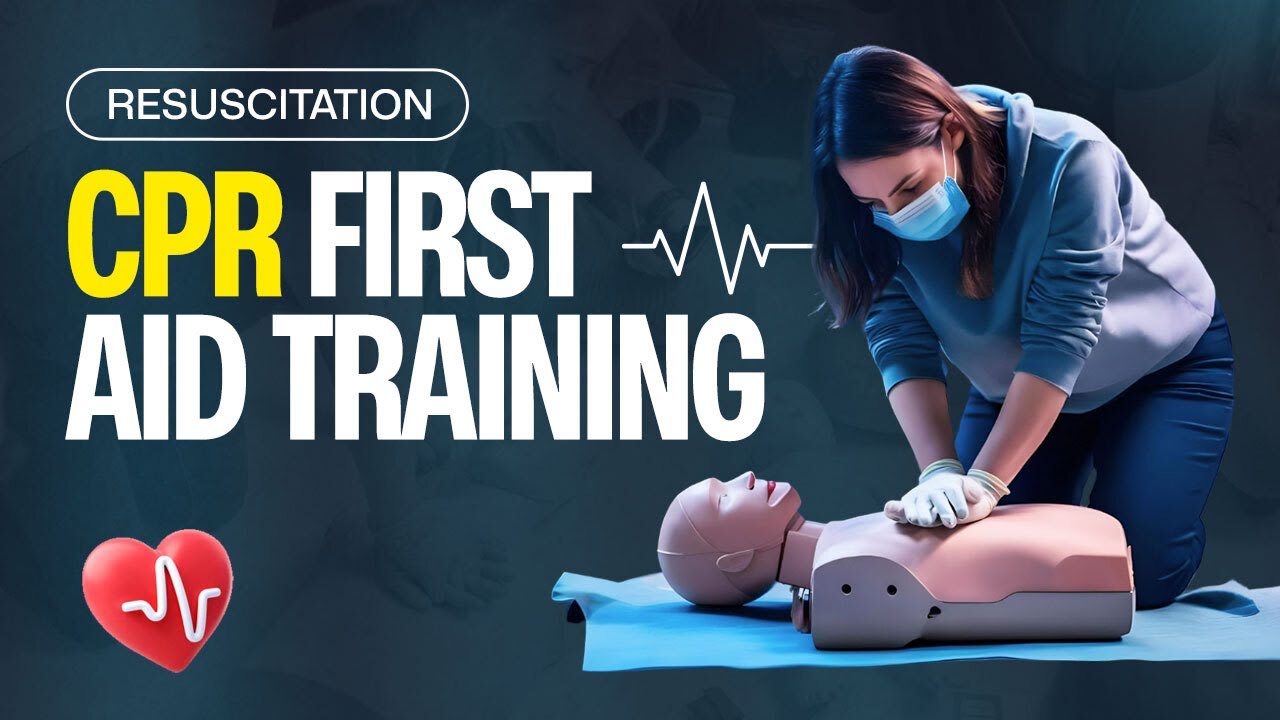
CPR is a life-saving method utilized in emergency situations when someone's heart beat or breathing has stopped. It involves breast compressions and rescue breaths to maintain blood flow and oxygenation until specialist aid arrives.
How mouth-to-mouth resuscitation Works
- Chest Compressions: These aid circulate blood throughout the body. Rescue Breaths: These provide oxygen to the lungs.
Benefits of First Aid and Mouth-to-mouth Resuscitation Certification
Obtaining an emergency treatment certificate or finishing mouth-to-mouth resuscitation programs comes with many benefits, both for people and organizations.

Creating a Society of Security With Training
Implementing emergency treatment and mouth-to-mouth resuscitation training promotes a society that prioritizes employee health.
Encouraging Teamwork
Training sessions typically include team-building exercises that enhance cooperation among employees.
Building Count on In between Workers and Management
When monitoring buys staff member training, it shows commitment to their health, leading to boosted morale.
First Help Flows vs. CPR Courses: What's the Difference?
While both kinds of courses are essential, they concentrate on different ability sets.
First Aid Courses
These training courses cover a wide variety of subjects past simply cardiac emergency situations, including:
- Wound care Burns Choking
CPR Courses
CPR programs particularly concentrate on methods connected to heart attack situations, stressing:
- Adult CPR Child/ baby resuscitation Use of an Automated External Defibrillator (AED)
Choosing the Right Training Provider
Not learn CPR in Sydney CBD all training providers are developed equivalent; as a result, selecting one that satisfies your company's requirements is critical.
Accreditation Matters
Ensure that your chosen company uses recognized courses acknowledged by appropriate authorities.
Instructor Experience
Consider trainers' certifications; experienced instructors commonly provide richer knowing experiences via real-world examples.
Incorporating Emergency treatment into Workplace Safety And Security Policies
Organizations should incorporate first aid demands right into their broader security policies for detailed coverage.
Regular Training Updates
Conducting normal correspondence course makes sure that understanding continues to be present amongst employees.
Creating Emergency situation Feedback Plans
Having clear strategies in position can lead trained personnel throughout emergencies.
Legal Ramifications of First Aid Training in the Workplace
Employers have lawful duties concerning work environment security; implementing first aid training can assist minimize risks associated with non-compliance.
Negligence Claims
Failure to give adequate training may leave companies prone to lawsuits if an incident happens as a result of absence of preparedness.
FAQ Section
What is consisted of in a typical first aid course?- A common first aid course consists of guideline on evaluating injuries, treating wounds, handling burns, dealing with choking events, and carrying out mouth-to-mouth resuscitation if necessary.
- Most CPR training courses last between 4-- 6 hours depending upon whether it's standard or sophisticated training.
- While not constantly lawfully mandated, having accredited employee can significantly improve office safety standards.
- Many accredited organizations supply on the internet revival options for emergency treatment certifications that include analyses through video clip conferencing.
- Yes, sectors such as building, health care, education and learning, and manufacturing often have regulatory demands necessitating skilled personnel on site.
- It's recommended that staff members join refresher courses every two years or faster if there are significant changes in treatments or regulations.
Conclusion
To summarize, integrating first aid and mouth-to-mouth resuscitation into office security training is not simply an option however a requirement in today's workplace where emergency situations can emerge at any moment. Organizations advantage exceptionally from having actually educated employees all set to respond effectively throughout crises while fostering an ambience where employee wellness takes priority over all else. For that reason, it comes to be apparent why workplace safety training should include emergency treatment and mouth-to-mouth resuscitation training courses-- they save lives while promoting an aggressive technique towards health and wellness standards within companies throughout numerous sectors.
By prioritizing such necessary training campaigns-- emergency treatment certificates obtained through trusted companies together with functional hands-on experience-- companies can considerably boost their total emergency preparedness degrees while additionally constructing stronger teams with the ability of taking on any circumstance head-on!